

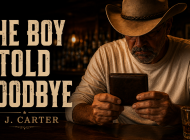
R.J. Carter has released the first official video single from his forthcoming album, Another Second Chapter, with a lyric video for “The Boy I Told Goodbye.”
Why Disney No Longer Waits for Classics
FTC Statement: Reviewers are frequently provided by the publisher/production company with a copy of the material being reviewed.The opinions published are solely those of the respective reviewers and may not reflect the opinions of CriticalBlast.com or its management.
As an Amazon Associate, we earn from qualifying purchases. (This is a legal requirement, as apparently some sites advertise for Amazon for free. Yes, that's sarcasm.)
Submitted by Bill Casticart on Sat, 07/11/2026 - 14:54

There was a time when a Disney remake arrived with the built-in advantage of nostalgia. *Cinderella*, *The Jungle Book*, and *Beauty and the Beast* returned to stories that had already spent decades becoming part of the culture. The audience had grown older, the films had settled into memory, and the remake could present itself as both something familiar and something new.
*Moana* is operating on a very different timetable.
The animated film was released in 2016. As the Los Angeles Times recently observed, Moana became the shortest gap Disney has ever allowed between one of its original animated features and a live-action remake. Moana 2 followed in 2024, and the new adaptation has arrived while many of the children who first fell in love with the original have not yet reached adulthood.
That may be the real change. Disney used to revisit films after they became classics. Now it revisits them while they are still popular.
The decision makes sense when *Moana* is viewed as more than a movie. It is a soundtrack, a merchandise line, a theme-park presence, a streaming favorite, and a group of characters recognized almost anywhere Disney does business. A modern hit is expected to keep generating new material long after its theatrical run ends. From that perspective, waiting twenty or thirty years would not look respectful. It would look like wasted momentum.
That does not make the strategy automatically cynical. Studios have always tried to build on success, and audiences have never objected to revisiting characters they enjoy. The difference is speed. Remakes once depended on a period of absence. The story had to recede far enough into the past that seeing it again felt like rediscovery. Disney no longer needs that distance because the brand itself provides the attraction.
This is not unique to one company. Universal transformed *Jurassic Park* into *Jurassic World*. DreamWorks returned to *How to Train Your Dragon* in live action. Warner Bros. regularly introduces new versions of Batman and Superman before the previous ones have fully left the public imagination. Hollywood once searched for the next franchise. It now spends at least as much energy preventing the current ones from ever cooling off.
There are sound business reasons for that. Original films are expensive to market because audiences must first be persuaded to care. A familiar title begins with recognition, and recognition lowers risk. Executives know there is already a fan base, retailers know the characters, and overseas audiences do not need the premise explained. A proven property does not guarantee success, but it removes some of the uncertainty from an industry built on very large bets.
The creative argument is less settled. A live-action *Moana* can offer a new cast, new locations, and a different visual scale. It can also give performers with Pacific Island heritage the opportunity to embody a story that has cultural significance beyond the Disney label. Those are meaningful possibilities, and it would be unfair to dismiss the project as a frame-by-frame copy before judging the result.
Still, the timing raises a question that goes beyond this particular film: What happens to the idea of a classic when a studio begins remaking a movie before nostalgia has had time to form around it?
A classic used to be something audiences returned to because it had endured. It survived changes in taste, technology, and generations of viewers. Now the word is often attached to any successful property with enough recognition to justify another production. Commercial durability and cultural permanence are not always the same thing, even though Hollywood increasingly treats them as interchangeable.
There is also a danger in never allowing a successful film to rest. Constant expansion can keep a property visible, but visibility is not the same as affection. Part of what gives an older movie its emotional power is the time audiences spend away from it. People remember where they saw it, who they watched it with, and what it meant to them at that age. When the next version arrives too quickly, the audience is not being invited back to an old memory. It is simply being offered another product in the same line.
Perhaps that distinction will not matter to younger viewers. For them, animated films, live-action adaptations, streaming series, and theme-park attractions may all be equal parts of the same fictional world. They may not see one version as replacing another. They may simply see more *Moana*.
Disney is betting that they will.
The company may be right. The original remains popular, the characters are familiar, and the appetite for recognizable family entertainment is hardly disappearing. Yet the larger pattern is worth noticing. Hollywood is becoming less interested in waiting for nostalgia and more interested in keeping audiences from ever having the chance to miss anything.
That may be efficient, but it changes the relationship between a movie and its audience. A story that is constantly being refreshed never quite becomes part of the past. It stays in circulation, always available for another sequel, remake, series, attraction, or anniversary release.
Maybe that is what a modern classic looks like: not a film left untouched for decades, but a property kept permanently in motion.
There is one thing Disney cannot manufacture on demand, though. It can build awareness, expand a franchise, and place familiar characters everywhere audiences look. What it cannot do is force a movie to become beloved across generations.
That still takes time.
FEATURED ALBUM
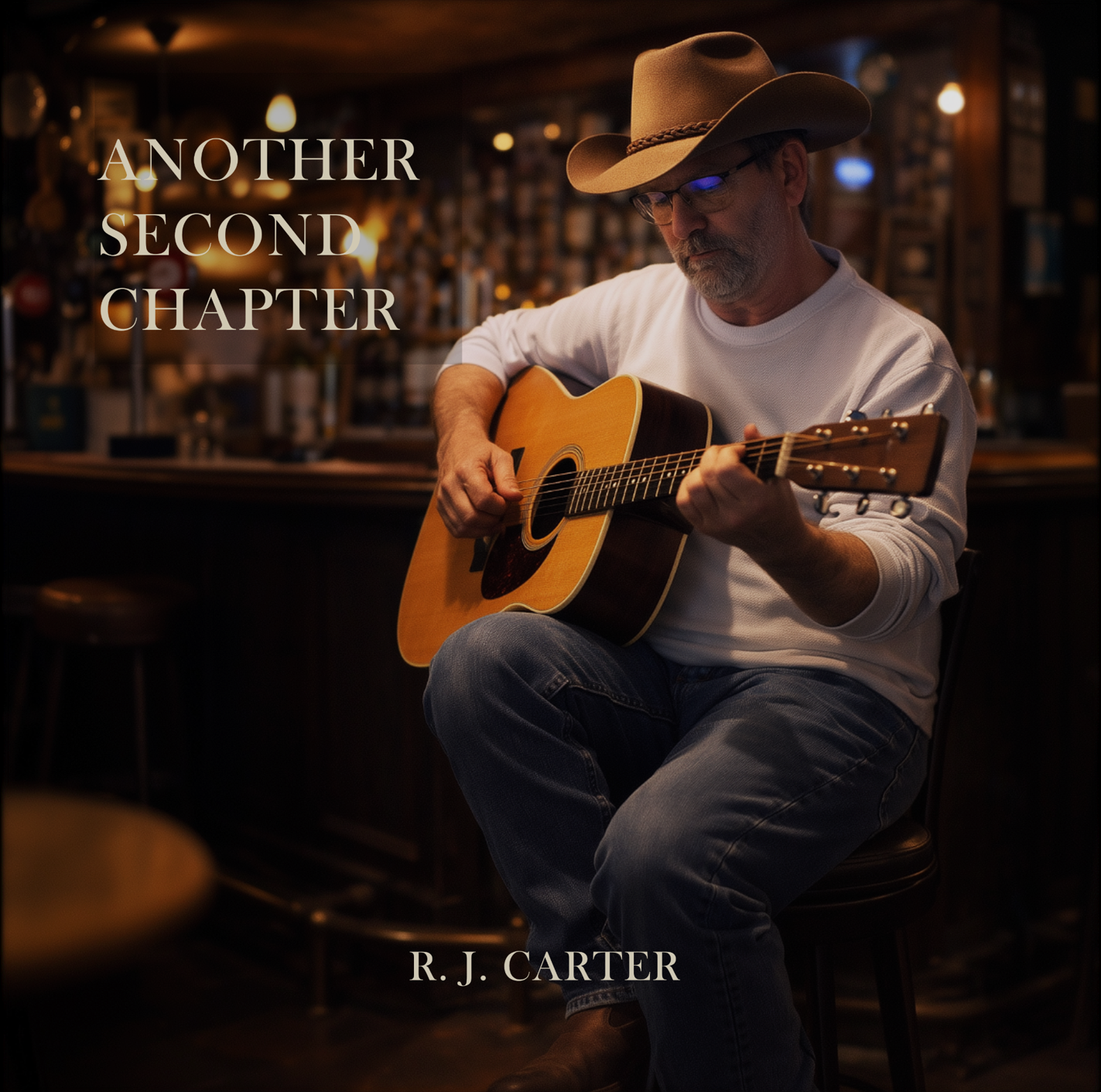
Songs of faith, family and moving forward.


